
From Catwalk to Clarity: Ex-Fashion Model Reflects on Transition Regret and Reclaiming Manhood

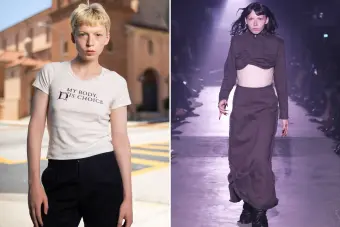
At just 15 years old, life changed dramatically for one aspiring fashion model. Pressured by those around him—and heavily influenced by the fashion industry’s growing emphasis on gender fluidity—he began transitioning into a female identity, a decision he now reflects on with deep regret.
Today, now in his mid-20s and detransitioning back to living as a man, he speaks out about the emotional rollercoaster of being placed on hormones as a teenager and navigating the long path back to his authentic self.
“I was really crazy on the hormones,” he admitted. “No one told me the full picture. At that age, I didn’t know what I was signing up for—mentally, physically, or emotionally.”
Raised in a liberal environment and exposed to progressive narratives in both school and fashion circles, he says there was little room for questioning once he expressed discomfort with his body. “I was told, ‘This means you’re trans.’ And when you’re that young, you believe what you’re told.”
By 16, he was modeling full-time in women’s clothing and participating in LGBTQ+ campaigns that praised his ‘courage’ and ‘authenticity.’ But behind the scenes, he felt lost, unstable, and increasingly disconnected from who he really was.
“The attention was addictive, but it was all conditional. The moment I started expressing doubts or asking questions, that support disappeared.”
The hormones, which he started taking before fully understanding their long-term impact, began altering not only his body but also his mental state. He described sudden mood swings, depression, and confusion—feelings he later realized were worsened by the medication.
Now, in a quieter phase of life, he’s learning how to be a man again. That includes everything from physical rehab to rediscovering male friendships, and even simple things like how he presents himself in public.
“I feel like I missed key years of development. It’s like I’m learning how to be a man from scratch—how to carry myself, how to speak, how to just be.”
He isn’t speaking out to shame those who choose to transition, he says, but rather to give voice to those like him—young people who were fast-tracked through life-altering changes without proper guidance or time to mature.
His message to parents, schools, and society: slow down.
“Let kids grow up. Let them explore without pushing labels or irreversible decisions. If someone transitions at 25, they’re doing it with a fully developed mind. But at 15? That’s a child making adult decisions with adult consequences.”
Today, he’s focused on healing—mentally, physically, and spiritually. He’s also mentoring others who are beginning to question their own transitions, offering support he says he never had.
“This isn’t about politics. This is about people. And no one should be medicalized for a phase they might grow through—especially not children.”


